

How to Stop Noise Through Old Windows: 7 Fixes That Work
Table of Contents
Why Old Windows Let So Much Noise In
How to Seal Gaps Around Windows for Noise
Draught Strips, Silicone and Foam: What Works Where
Secondary Glazing for Noise Reduction
Acoustic Curtains for Window Noise
The Benefits of Shutters for Soundproofing Old Homes
How Made-to-Measure Shutters Cut Noise and Heat Loss
How to Stop Noise Through Old Windows: Comparing Your Options
Common Mistakes to Avoid
Choosing the Right Fix for Your Home
Frequently Asked Questions
Last Updated: October 17, 2026
Why Old Windows Let So Much Noise In
Old windows leak sound because they were never built to stop noise. Timber frames shrink and warp over decades, seals harden, and sashes stop closing flush. Every gap lets traffic rumble and street noise straight into your front room.
In Glasgow's tenement flats and Victorian terraces, this problem is everywhere. Single glazing offers almost no barrier to sound, and the thin gaps around a tired frame act like a doorway for noise.
Here's the good news. Most of the fixes below cost very little, and the best ones also keep heat in. We fit made-to-measure shutters across Scotland, so we know which solutions actually quieten a room and which just look like they should.
How to Seal Gaps Around Windows for Noise
Sealing gaps is the cheapest first step, and it works. The aim is to block air paths where sound travels through. You have three main options.
Draught strips suit moving parts. Use self-adhesive foam or rubber strip on sash windows where the frame slides. They compress when closed and cut both noise and draughts.
Silicone sealant works on fixed gaps. Run a bead along static joints between frame and wall. Use a low-modulus silicone that stays flexible as the building moves.
Expanding foam fills deep cavities around the frame. Only use it where you can trim it back and cover it. It is messy and hard to undo.
Draught Strips, Silicone and Foam: What Works Where
Gap type | Best fix | Why |
Moving sash joints | Draught strip | Compresses, allows movement |
Frame-to-wall joints | Silicone sealant | Flexible, weatherproof |
Deep cavities | Expanding foam | Fills large voids |
Loose glass panes | Silicone or putty | Stops rattle and leaks |
A common mistake is sealing a sash window so tightly it won't open. Leave the moving parts free.
Secondary Glazing for Noise Reduction
Secondary glazing is a second pane fitted inside your existing window, and it is the most effective barrier you can add without replacing the window. The trapped air gap between the two panes absorbs sound before it reaches the room.
Soundproof Guide
It suits period homes because your original window stays untouched. A well-fitted secondary pane can cut noticeable street noise, especially lower frequencies like traffic.
The trade-offs are real. You lose some sill space, and the extra pane can trap condensation if the seal is poor. Cheap DIY film kits help a little but fall short of a proper rigid panel.
Acoustic Curtains for Window Noise
Acoustic curtains are heavy, densely woven drapes that absorb sound at the window. They work best as a supporting layer, not a standalone fix.
Look for thick, multi-layered fabric and a track that lets the curtain overlap the wall. Hanging them close to the glass and floor-to-ceiling gives the best result.
What most guides miss: curtains soften echo and take the edge off noise, but they won't block a busy road on their own. Pair them with gap sealing and they earn their place.
Pro Tip Hang acoustic curtains on a track that extends past the window edges. The overlap over the wall is where much of the sound absorption happens.
The Benefits of Shutters for Soundproofing Old Homes
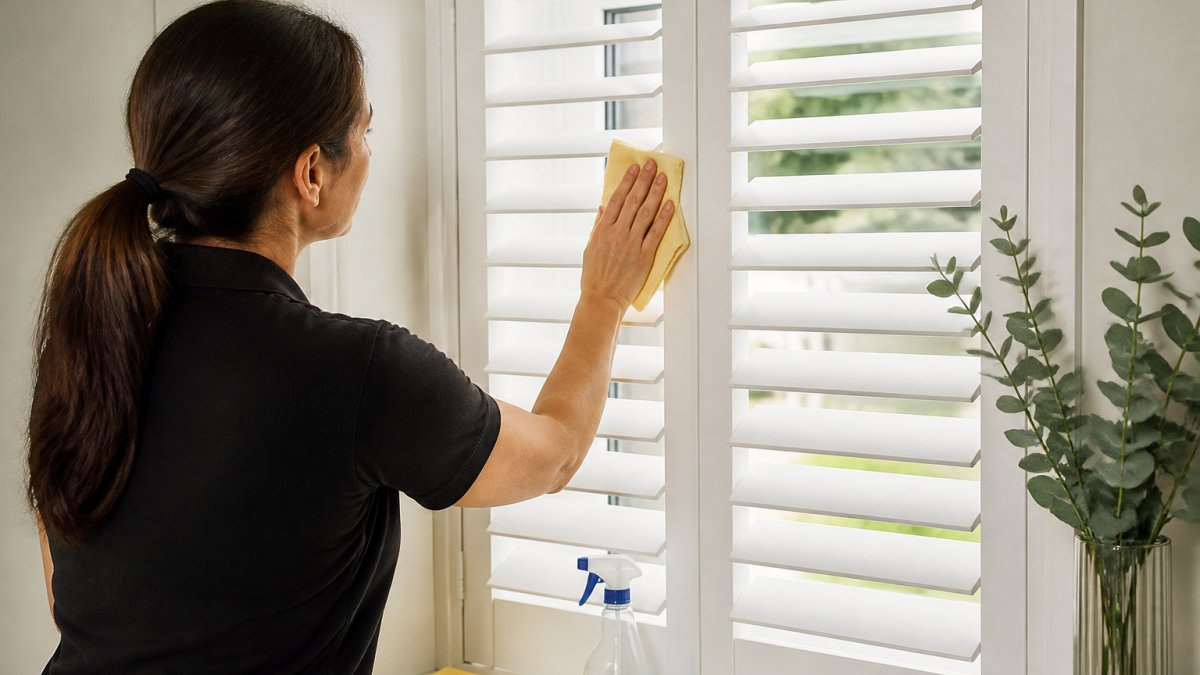
Made-to-measure internal shutters are one of the best long-term fixes for noisy old windows. A solid shutter panel closed over the glass adds mass and a tight barrier, which is exactly what sound needs to be stopped.

The benefits stack up:
A solid barrier that reduces noise coming through the glass
Extra insulation that helps hold heat in draughty rooms
Full control over light and privacy on street-facing windows
A durable, low-maintenance finish that suits period homes
For homeowners in Glasgow dealing with both noise and heat loss, shutters solve two problems with one fitting.
How Made-to-Measure Shutters Cut Noise and Heat Loss
Fit matters more than anything. Shutters cut to your exact window shape close flush, so there are fewer gaps for sound to slip through. That is why we measure every window on site rather than working from standard sizes.
Awkward Victorian shapes are no problem when panels are built to the frame. Closed shutters also trap a layer of air at the window, which slows heat escaping on cold nights.
How to Stop Noise Through Old Windows: Comparing Your Options
Each fix trades cost against effort and results. Use this table to pick your starting point.
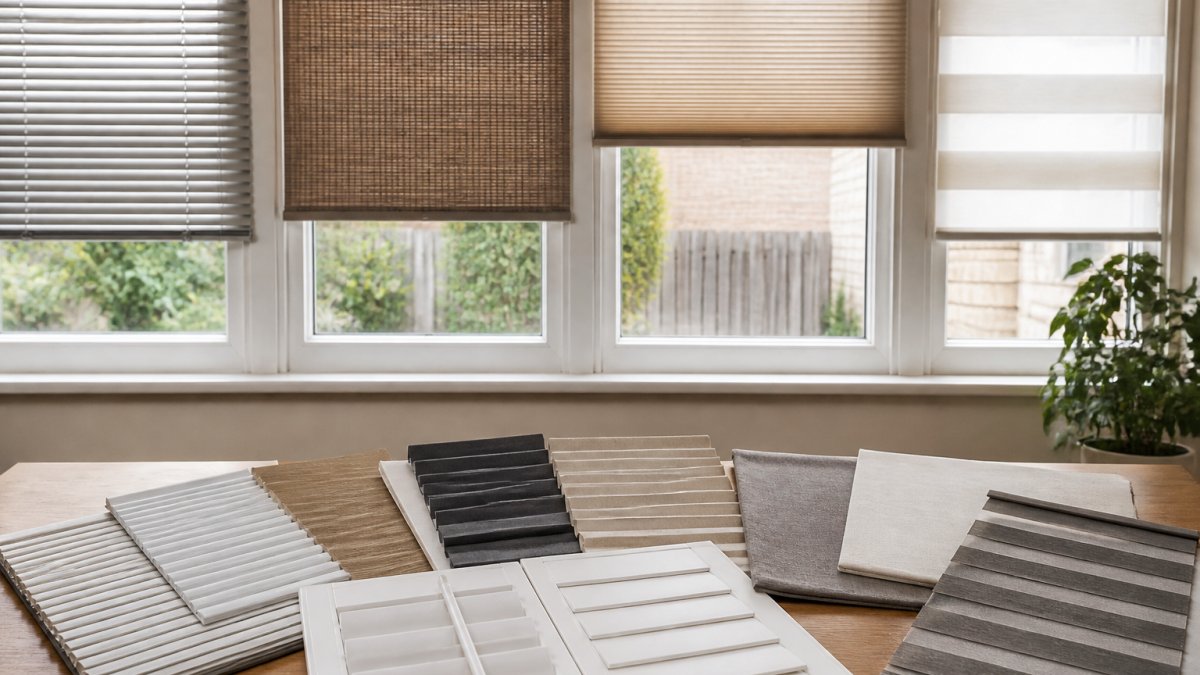
Method | Effort | Noise reduction | Also helps heat loss |
Draught strips and sealant | Low | Modest | Yes |
Secondary glazing | Medium | Strong | Yes |
Acoustic curtains | Low | Mild | Some |
Medium | Strong | Yes |
Common Mistakes to Avoid
Sealing a sash window so tight it won't open
Relying on thin curtains and expecting silence
Skipping the gaps and buying expensive glazing first
Fitting standard-size panels that leave gaps at the frame
Start with the gaps. They are the cheapest win, and every layer after that works better once the leaks are closed.
Watch Out Ignoring gaps around the frame before adding glazing or shutters wastes money. Sound finds the weakest point, so an unsealed gap undoes most of the benefit.
Choosing the Right Fix for Your Home
Match the fix to your budget and your window. If noise is mild, seal the gaps and add heavy curtains. If a busy road keeps you awake, secondary glazing or internal shutters will do far more.
For period homes where looks matter, made-to-measure shutters are our recommendation. They cut noise, hold heat, and suit the architecture. At Caledonia Shutters, we handle design through to fitting with our in-house team, and we cover homes across Scotland, from city flats to the Highlands and Islands. If you are searching for window shutters near me in Glasgow, our team can measure your awkward windows and quote transparently before any work starts.
Frequently Asked Questions
Can you soundproof old windows without replacing them?
Yes. Most noise in older homes comes through gaps and thin single glazing rather than the frame itself. Sealing gaps with draught strips and silicone, adding secondary glazing, hanging acoustic curtains, and fitting made-to-measure internal shutters all reduce noise without ripping out the original windows. This matters for period and listed properties where replacement is restricted. Start with the cheapest fix, sealing gaps, then layer on glazing or shutters if noise persists. Each layer adds a few decibels of reduction, and together they make a noticeable difference in street-facing rooms.
Do shutters reduce noise through windows?
Internal shutters help, especially when fitted tightly to the recess with no gaps around the edges. The solid panels and closed slats add mass and a barrier in front of the glass, which takes the edge off traffic and street noise. They work best alongside sealed gaps and, where needed, secondary glazing. Made-to-measure shutters outperform off-the-shelf options because the fit is precise, so there are fewer air paths for sound to travel through. If you want to stop noise in a period home, shutters are a practical, low-maintenance layer that also improves privacy and heat retention.
What is the best way to seal gaps around old windows?
Work around the frame in order of size. Fill large gaps with foam or flexible sealant, then fit draught strips to the opening sash so it closes snugly. Run a thin bead of silicone around the frame where it meets the wall. For sash windows, check the meeting rail and the sides, which are common leak points. Avoid blocking ventilation completely in rooms with gas appliances or high humidity. Sealing gaps is the cheapest step and often delivers the biggest improvement per pound before you spend on glazing or curtains.
Are internal shutters effective for soundproofing old homes?
They are effective as part of a layered approach. Shutters add mass and a sealed barrier in front of the window, which reduces airborne noise like traffic and voices. They also cut heat loss and improve privacy, so they earn their place in older properties beyond noise alone. The key is a precise, made-to-measure fit with closed slats and no draughts around the edges. For severe noise, pair shutters with sealed gaps or secondary glazing. A professional measure and fit avoids the gaps that let sound slip through.
Noisy old windows are a fixable problem, not something you have to live with. The right combination of sealing, glazing and made-to-measure shutters can turn a loud room into a quiet one. At Caledonia Shutters, we offer fast lead times, fair and transparent pricing, and expert in-house fitting teams across Scotland, including the Highlands and Islands. Book now with Caledonia Shutters and enjoy a quieter, warmer home.
Book Now!

Comments