

Durable Internal Shutters for Drafty Windows
Table of Contents
Durable Internal Shutters for Drafty Windows: What Actually Works
Quick Comparison: Shutter Styles for Draughty Windows
Shutters for Draughty Windows: Which Style Blocks the Most Cold Air?
Solid Shutters for Sash Windows in Older Properties
Durable Wooden Window Shutters: Material Choices That Last
Benefits of Shutters for Soundproofing Old Homes
Installation and Fitting Across Scotland
Conclusion
Frequently Asked Questions
Last Updated: October 13, 2026
Durable Internal Shutters for Drafty Windows: What Actually Works
Drafty windows are the single biggest source of heat loss in older Scottish homes, and durable internal shutters for drafty windows solve the problem at the source: they seal the opening, not just cover it. At Caledonia Shutters, we fit made-to-measure shutters across Glasgow and the wider region, and the difference between a shutter that performs and one that merely looks the part comes down to three things: style, material, and the quality of the fit.
Most guides treat shutters as decoration. That is the wrong mental model. A well-fitted solid shutter panel adds a physical barrier between a cold sash window and a warm room, cutting the draught that whistles through original timber frames. Get the specification right and you feel the difference the first cold snap. Get it wrong and you have paid for a draught with hinges on it.
Below, we break down which shutter styles block the most cold air, which materials survive decades in a Scottish climate, and how soundproofing and fitting work in practice.

Quick Comparison: Shutter Styles for Draughty Windows
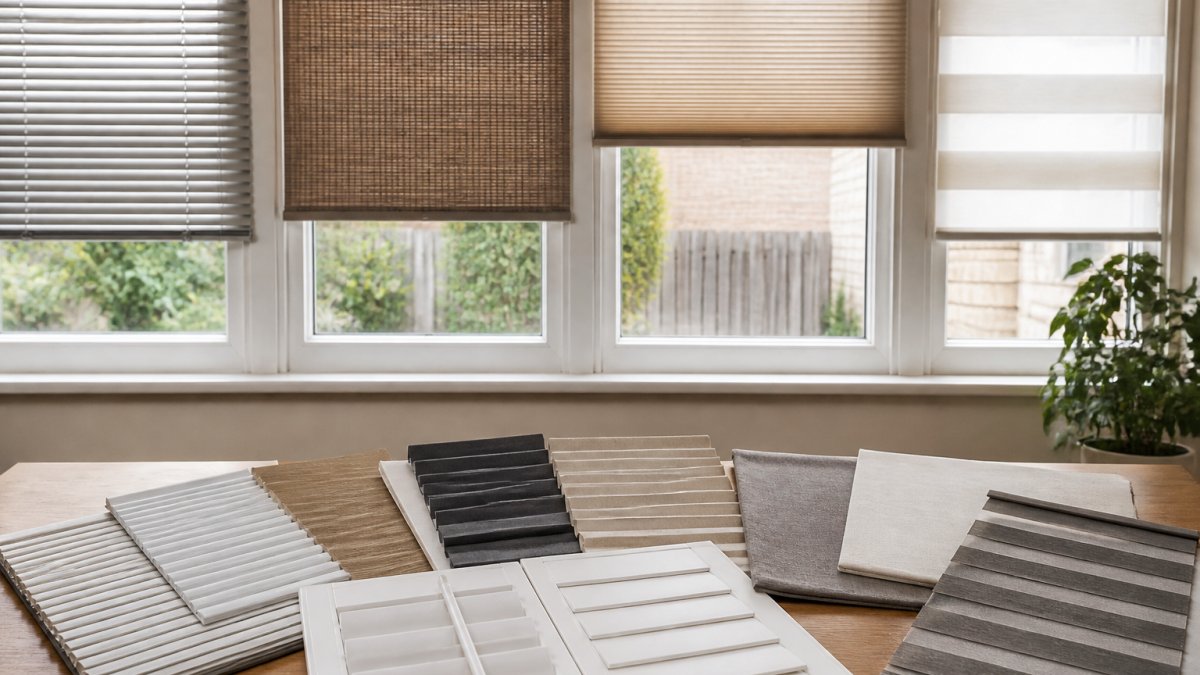
Use this table to shortlist a style before we go into detail. Full-height solid panels block the most cold air; café-style shutters suit kitchens where you want light above and privacy below.
Style | Draught Blocking | Best For | Light Control |
Full-height solid panel | Highest | Living rooms, bedrooms | Full |
Tier-on-tier | High | Sash windows, flexible rooms | Split top/bottom |
Café-style | Medium | Kitchens, street-facing ground floors | Lower half only |
Plantation louvred | Medium | Sunny rooms, airflow control | Adjustable slats |
Tracked (bi-fold) | High | Wide or bay windows | Full |
Compare that with a single-glazed sash window left bare, and the gap in performance is obvious. The style you pick decides how much of the window you actually seal.
Shutters for Draughty Windows: Which Style Blocks the Most Cold Air?
The style that blocks the most cold air is a full-height solid panel shutter, because it presents a continuous surface with no louvred gaps for air to pass through. Solid panels work like a secondary glazing layer: they trap a pocket of still air between the glass and the shutter, and still air is a poor conductor of heat.
Tier-on-tier runs a close second and is often the smarter choice on a sash window. You can open the top tier for daylight while keeping the bottom tier closed against the draught at floor level, where cold air pools.
Louvred plantation shutters block less air when open, but closing the slats tight recovers most of the performance. The trade-off is that louvred slats give you adjustable airflow in summer, which solid panels do not.
Pro Tip On a draughty sash window, ask for a frame that sits inside the reveal with a rebated edge. That rebate is what stops air creeping around the panel edge, and it is the detail most cheap installations skip.
Solid Shutters for Sash Windows in Older Properties
Solid shutters for sash windows are the workhorse of a period property. Victorian and Edwardian tenements in Glasgow were built with timber sash frames that have had a century to warp, shrink, and develop gaps at the meeting rail. A solid shutter panel covers the whole opening and removes that draught path in one move.
The catch is that old frames are rarely square. A shutter cut to a nominal size will leave gaps at the corners, and gaps defeat the purpose. Made-to-measure panels, templated on site, close that gap.
If you are weighing up whether your windows qualify as "near me" searches for shutter fitters, the deciding factor is whether the fitter templates each window individually rather than ordering a standard size.
Solid panels suit bedrooms and living rooms where warmth matters most
Tier-on-tier keeps the sash usable while sealing the lower half
Avoid full-height louvred shutters on very draughty frames; the open slats leak air
Durable Wooden Window Shutters: Material Choices That Last
Durable wooden window shutters are not the only option, and for draughty rooms they are not always the best one. Timber looks superb and suits period interiors, but solid wood moves with humidity, and a room that swings between damp winters and heated summers will test it.
Composite and faux-wood shutters resist warping and cracking better than natural wood in humid conditions, according to Carolina Shutter and Blinds' guide to plantation shutter materials. That matters in older Scottish homes where condensation on single glazing is common.
If you want a low-maintenance option for a sunny, south-facing room, a sturdy engineered material holds its shape with minimal care. Waterproof and heat-resistant options exist for bathrooms and kitchens, though you should always confirm the warranty terms and UK supply before committing.
Watch Out The most common mistake is choosing a material for looks alone and ignoring the room's humidity. A timber shutter in a steamy bathroom can swell and stick within a couple of seasons, and that is an expensive fix.
Benefits of Shutters for Soundproofing Old Homes
The benefits of shutters for soundproofing old homes come down to mass and seal. A solid panel with a tight frame reduces the sound that reaches you from a busy street, which is why street-facing tenement flats notice the difference most. Shutters will not silence a road, but they take the edge off traffic noise and stop it dominating a room.
The mechanism is simple. Sound travels through gaps as easily as air does, so sealing the draught path also cuts the noise path. A solid panel adds a layer of mass that absorbs some of the remaining sound energy. Louvred shutters do less here, because open slats let both air and noise through.
For a bedroom on a main road, tier-on-tier with closed lower panels gives you the best balance of quiet and daylight.
Installation and Fitting Across Scotland
Installation quality decides whether a shutter performs or disappoints. A perfectly specified panel fitted with a two-millimetre gap around the edge will leak air and noise. A templated, made-to-measure panel fitted flush will not.
This is where an in-house design-to-installation process pays off. When the same team measures, makes, and fits the shutters, there is no gap between the drawing and the finished job. At Caledonia Shutters, our in-house fitting teams cover Glasgow and the rest of Scotland, including the Highlands and Islands, so the person who measures your window is accountable for how it fits.
A few practical points before you book:
Confirm the fitter templates each window rather than ordering a standard size
Ask how the frame seals against the reveal, not just how the panel looks
Check lead times in writing, and get the price confirmed before fitting day
For busy households, the process should be straightforward: one visit to measure, one to install. Anything more drawn out is a sign the workflow is not joined up.
Conclusion
The draught coming through your sash windows will not fix itself, and every winter you wait is another season of heat escaping and noise coming in. Durable internal shutters, specified and fitted properly, close that gap for good.
At Caledonia Shutters, we make shutters to measure, price them transparently so there are no surprises on fitting day, and install them with our own in-house teams across Glasgow and the whole of Scotland. Book your free home survey and we will tell you exactly which style and material will keep your rooms warmer this winter. Book Now!
Frequently Asked Questions
Do internal shutters help reduce draughts?
Yes. Solid internal shutters create a physical barrier that stops cold air entering through gaps around windows, especially in older properties with sash or casement windows. The key is precise made-to-measure fitting, which closes the gap between the shutter frame and the wall. For the best results, pair shutters with draught-proofing strips on any remaining gaps. Many homeowners in Scotland notice a significant reduction in draughts after installation.
Are solid shutters better than louvred shutters for draughty windows?
Solid shutters generally perform better at blocking draughts because they have no gaps between slats. Louvre shutters allow some airflow, which is useful for ventilation but less effective at stopping cold air. If your main goal is heat retention in a draughty room, solid shutters are the stronger choice. However, louvred styles offer more light control. Many homeowners choose solid shutters for ground-floor or exposed windows and louvred elsewhere.
Which type of window shutter is most durable?
Durability depends on material and construction. Hardwood shutters, such as basswood or oak, resist warping and last decades with basic care. Composite or polyresin shutters resist moisture and humidity, making them a good choice for kitchens and bathrooms. Faux wood options can last 15 to 20 years or more. The most durable shutters are those made to measure and professionally fitted, as poor installation leads to gaps and premature wear.
Can shutters be made to fit bay and sash windows?
Yes. Made-to-measure shutters are built for awkward window shapes, including bay windows, sash windows, and arched frames. The fitting process involves precise measurement of each panel and angle. For sash windows, solid shutters are often fitted within the reveal or as a tier-on-tier design so you can open the window without removing the shutters. Professional in-house fitting teams ensure a tight fit with no gaps.
How do you maintain internal wooden shutters?
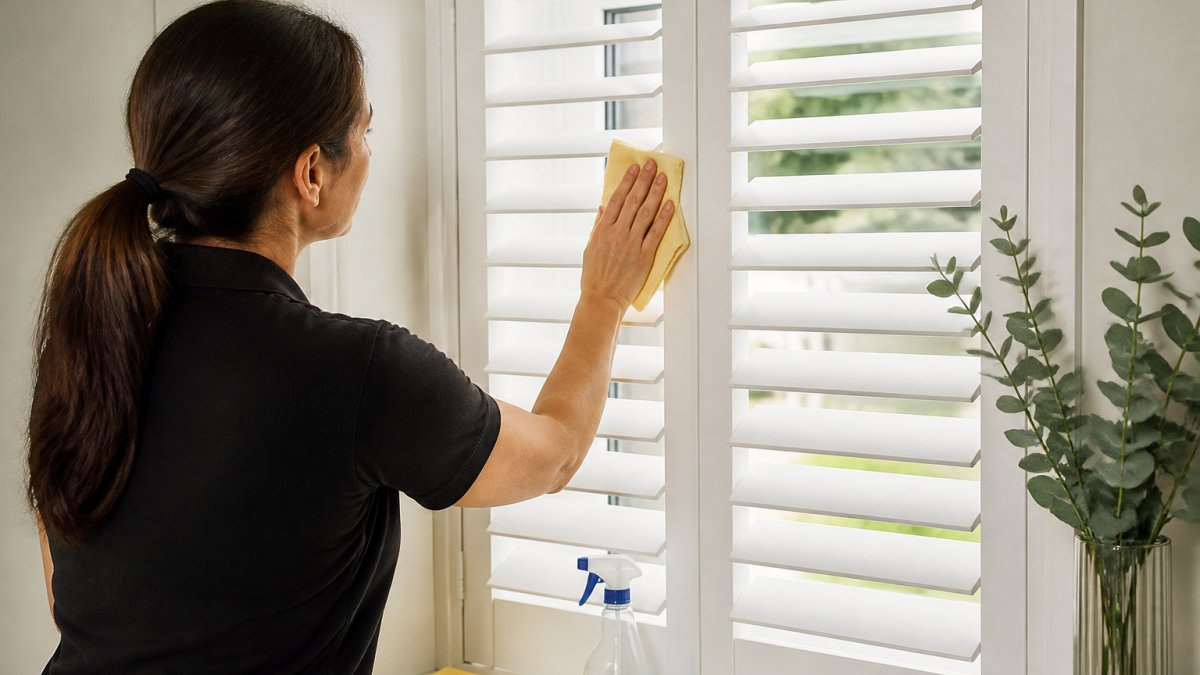
Dust weekly with a microfibre cloth or vacuum brush attachment. For deeper cleaning, wipe with a slightly damp cloth and mild soap, then dry immediately. Avoid soaking the wood. Every 6 to 12 months, apply a wood conditioner or polish to prevent drying and cracking. Check hinges and magnets annually and tighten screws if needed. With this routine, durable wooden window shutters stay in good condition for many years.
Book Now!

Comments