

How to Decide if Shutters Are Worth the Investment
Last Updated: November 3, 2026
Quick Summary
For most homeowners, shutters are worth the investment because made-to-measure window shutters last for decades and replace the curtain-and-blind cycle entirely. The honest answer depends on your windows, your budget and how long you plan to stay. Shutters are a fixture and a long commitment, so blinds are the rational spend if you are renting or moving within a year.
Made-to-measure shutters cost £350-£700 per average window, with professional fitting included in the quote.
Over ten years, shutters total £350-£700 while blinds run £120-£400 and curtains £140-£400.
Shutters can support perceived value and kerb appeal, but no fitter should promise a fixed return.
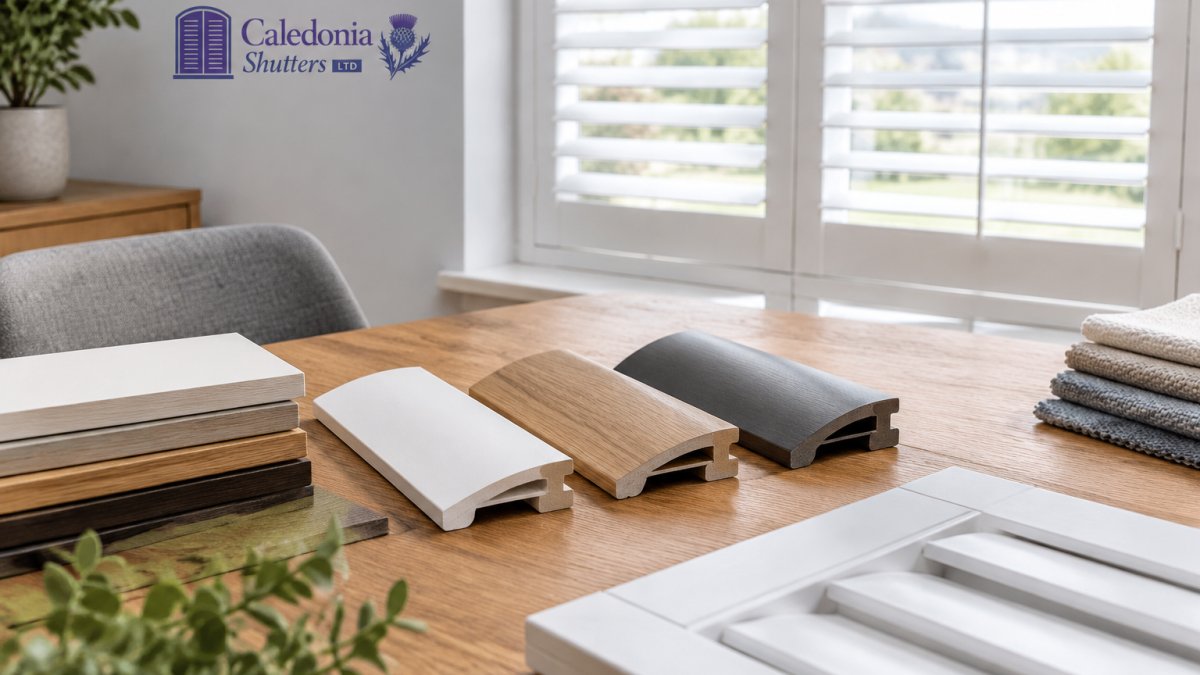
Composite or treated timber resists moisture better than standard MDF in damp Glasgow rooms.
Deal with any active damp and ventilation problem before fitting shutters, or moisture gets trapped.
Table of Contents
The Real Question Behind Are Shutters Worth the Investment
Are shutters worth the investment? For most homeowners, yes, because made-to-measure window shutters last for decades and replace the curtain-and-blind cycle entirely. The honest answer depends on your windows, your budget and how long you plan to stay. Caledonia Shutters fits internal shutters across Scotland. Below, we break down real costs, lifetime value and the cases where shutters lose.
Window shutters are rigid, hinged or tracked panels fitted inside the window reveal, with adjustable louvres that control light, privacy and airflow. Unlike curtains, they are furniture for the window rather than fabric hung over it.
The first thing most guides get wrong: shutters are not a decor upgrade you compare with a new sofa. They are a fixture. That changes how you should judge the spend.
Window Shutters Cost UK: What You Actually Pay For
Window shutters cost UK homeowners money in three parts: the panels, the survey, and the fitting. Made-to-measure pricing depends on quantity, dates and delivery, so request a quote for current figures.
Caledonia Shutters publishes its pricing on its website. Prices depend on quantity, dates and delivery, so check the pricing page for current figures or request a quote.
Plantation Shutters Pros and Cons for Scottish Homes
Plantation shutters suit period Scottish housing well, but they are not a universal win. Here is the balanced picture we give every customer.
Pros:
Adjustable louvres give precise light control and privacy from street level
Solid panels cut draughts at the window where heat escapes
Wipe-clean surfaces suit busy families and allergy sufferers
A fitted look that lifts kerb appeal from outside
Cons:
Higher upfront cost than blinds or curtains
Poor choice for a window you want completely clear during the day
Cheap MDF warps in steamy bathrooms
Awkward shapes need a proper survey, not a guess
For a tenement flat with tall sash windows, shutters often solve a problem curtains cannot: light control without losing the window's shape.
Shutters vs Blinds: A Lifetime Cost Comparison
Shutters vs blinds is not a fair fight on sticker price, and it is not meant to be. Blinds cost less on day one. The honest way to compare them is to model the whole cost over a stated period, because the gap closes when you count replacements, cleaning and heat loss. Below is the framework we use with customers in Glasgow, with illustrative figures in pounds rather than vague claims.
Set the period first. Ten years is a sensible horizon for a homeowner who is not planning to move. Over ten years you pay for the product once, then pay again for whatever fails or fades. That second payment is where cheap coverings lose their advantage.
Cost line | Made-to-measure shutters | Venetian or roller blinds | Curtains |
Purchase (per average window) | £350-£700 | £40-£150 | £60-£200 |
Professional fitting | Included in the quote above | Usually DIY, or £30-£60 | Usually DIY |
Cleaning over 10 years | Wipe-clean, negligible product cost | Dusting and restringing, occasional replacement parts | Washing and dry cleaning, roughly £20-£40 a year |
Replacement cycle | Rarely replaced within 10 years | Often replaced once or twice in 10 years | Fabric fades, often replaced once in 10 years |
Indicative 10-year total | £350-£700 | £120-£400 | £140-£400 |
These are indicative ranges for typical Glasgow window sizes, not a quote. The pattern matters more than the exact numbers: a blind that fails and is replaced twice, plus a decade of cleaning, narrows the gap to shutters considerably. Shutters ask for one decision and then stay put.
What the table cannot show. Shutters also change heat loss at the window, which is where a tenement flat loses comfort fastest. A solid panel with closed louvres reduces draughts and radiant loss in a way that a single fabric layer does not. We would not put a pounds-per-year saving on that without a room-by-room assessment, because it depends on the window, the reveal and how the room is heated. Treat any guide that quotes a fixed annual saving with suspicion.
Maintenance is the quiet cost. Blinds need dusting, and cords and mechanisms fail. Curtains need washing or dry cleaning, and fabric holds dust and allergens. Shutters need a wipe with a damp cloth. For a busy household or an allergy sufferer, that time has a value even if it never appears on a receipt.
Where blinds still win. If you are renting, moving within a year, or dressing a window you want completely clear by day, blinds are the rational spend. Shutters are a fixture and a long commitment. For a deeper look at how each performs on heat loss, read our comparison of shutters versus blinds for insulation.
Watch out: a lifetime-cost table built on the cheapest MDF shutters is misleading, because damp rooms can force an early replacement that erases the advantage. Compare like with like, and specify composite or treated timber where moisture is a factor.
Do Shutters Add Value to a House? What the Evidence Shows
Do shutters add value to a house? They can support perceived value and kerb appeal, but no honest fitter will promise a fixed return. The evidence is about buyer reaction, not a guaranteed sum on your survey.
What we can say with confidence:
Fitted shutters read as a finished, looked-after home to buyers
Solid panels give privacy and a deterrent effect that flimsy coverings do not
Timber and composite options hold their appearance far longer than fabric
The claim to distrust is any precise figure. Property value depends on the street, the surveyor and the buyer. Treat shutters as a long-term improvement that helps a sale, not an investment you cash in. Our article on security, resale value and long-term investment sets out the reasoning in more detail.
How Shutters Perform in Glasgow's Climate and Older Housing
Glasgow's weather is the real test: driving rain, damp air and tenement windows that have been there for over a century. Shutters handle this well when specified correctly, but the detail matters more here than in a new-build in the south of England. This is the local picture we give customers before they commit.

Tenement flats and sash and case windows. Most Glasgow tenements have tall sash and case windows set in deep reveals. That deep reveal is an advantage: a fitted shutter sits inside it and does not eat into the room. The complication is that these windows are rarely square and the reveals are often out of true after a century of settlement.
Draughts and heat loss. A sash window in a tenement often leaks at the meeting rail and around the frame. Shutters do not replace draught-proofing, but a closed solid panel adds a barrier at the window and makes a cold room feel calmer. Be realistic: shutters are not double glazing.
Condensation and damp. This is where Glasgow's damp air punishes the wrong specification. Standard MDF swells and warps when it sits against a cold, wet wall or in a steamy bathroom. In a tenement with a cold bridge at the reveal, that risk is real.
Older housing types. A sandstone tenement, a red sandstone villa in the west end and a 1930s semi all behave differently. The villa may have larger, squarer openings that suit full-height shutters. The semi may have shallower reveals that limit panel depth. A cottage with thick stone walls may need a face-fixed frame rather than a recessed one.
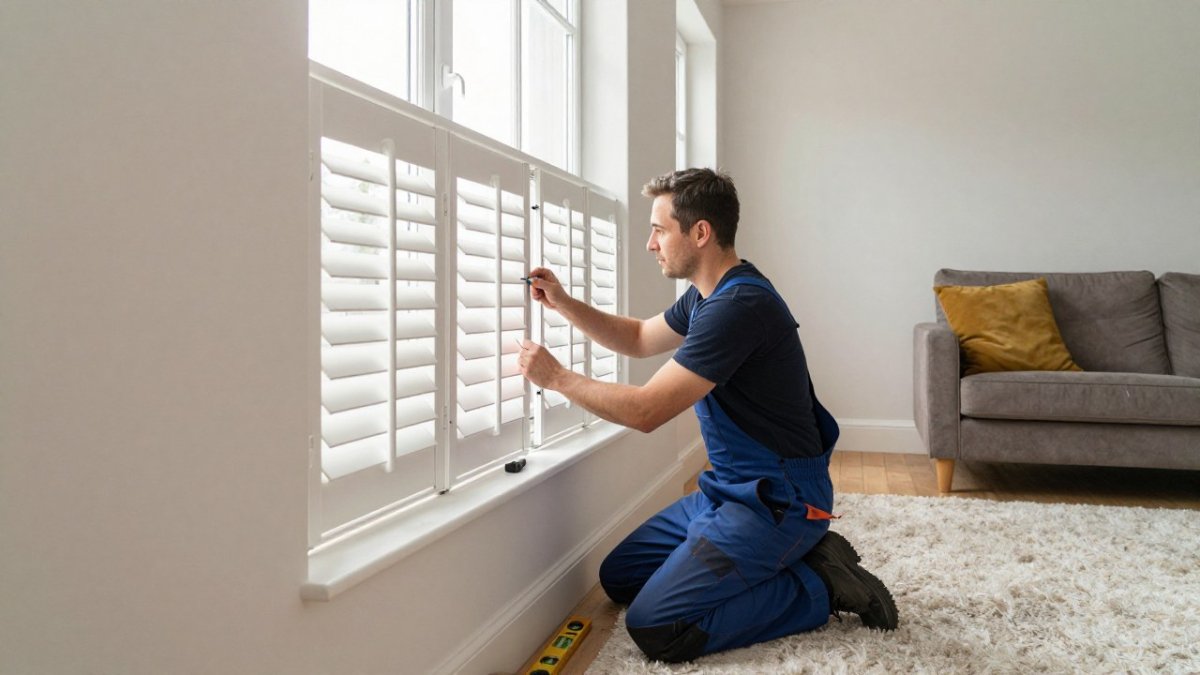
What we check on a Glasgow survey. Reveal depth and squareness, the condition of the sash and case mechanism, signs of damp or condensation, radiator position below the window, and how the room is used. That is why we template every window rather than quoting from a list.
If you own a period property, our guide to internal shutters for sash and case windows covers the fitting detail. The short version: measure twice, fit once, and specify for moisture before you specify for looks.
Watch out: fitting shutters over a window with an active damp problem traps moisture and makes it worse. Deal with the damp and the ventilation first, then fit.
When Shutters Are Not Worth the Investment
There are clear cases where we tell customers to walk away.
If none of those apply, shutters usually earn their place.
Getting a Made-to-Measure Quote for Your Windows
A made-to-measure quote should be free, specific and honest about lead times. Ours starts with a home visit, a template of every window, and a written price before you commit.
What to check in any quote:
Is the price per window or per panel?
Are louvre size and material named in writing?
Is the lead time stated as a date, not a range?
Does fitting include making good around the frame?
Is there a clear process if a panel does not fit?
We handle design and installation in-house, which keeps our lead times short. Caledonia Shutters' in-house fitting teams cover all of Scotland, including the Highlands and Islands. If you are ready, book a local Glasgow measuring and quote appointment and we will bring samples.
The challenge is simple: most shutter quotes are vague on price and slow on delivery, which makes the buying decision harder than it should be. Caledonia Shutters answers both with made-to-measure shutters, fair and transparent pricing, and an in-house design-to-installation process that keeps lead times short. Our own fitting teams cover all of Scotland, from city tenements to remote Highland homes. Get started with Caledonia Shutters and see exactly what your windows will cost before you commit.
Frequently Asked Questions
Are window shutters worth the investment in the UK?
For many UK homeowners they can be, provided the windows suit them and you plan to stay put for several years. Made-to-measure shutters typically last well over a decade with basic care, control light and privacy better than most blinds, and add a fitted, architectural look. The case weakens if you are selling soon, have awkward or very large windows, or live in a damp-prone room where timber needs careful specification. Weigh the upfront cost against lifespan and daily use rather than looks alone.
Are shutters cheaper than blinds in the long run?
Often, yes, though it depends on the blinds you would otherwise buy. Quality blinds and curtains are replaced every few years in busy rooms, while shutters are generally a one-off purchase that can last many years with cleaning and occasional tightening. Spread the higher upfront cost across that lifespan and the annual figure is usually lower. The savings grow further in rooms where heat loss and privacy matter, because shutters stay fitted and need no re-hanging or re-hemming.
Do shutters add value to a house?
Shutters rarely appear in formal valuations as a line item, so treat resale claims with caution. What they do reliably is improve kerb appeal and the perceived finish of a room, which can help a property stand out when buyers view it. Estate agents often describe fitted shutters as a selling point, particularly on street-facing windows. The honest position is that they may help a sale and support the asking price, but they are unlikely to return their full cost on their own.
Do window shutters help keep a room warm?
They help, mainly by reducing draughts and adding a layer at the window, but they are not a substitute for glazing or insulation upgrades. A closed shutter with tilted louvres slows heat loss through the glass and cuts the cold pocket you feel near single-glazed sash windows. The effect is most noticeable in older properties with original windows. For the best result, combine shutters with draught-proofing and, where budget allows, secondary glazing.
Comments