

Shutters for Energy Efficient Homes: A Guide
Table of Contents
How Shutters Improve Energy Efficiency in Your Home
Do Shutters Reduce Heat Loss Through Windows
Shutters vs Curtains for Insulation: Which Performs Better
Best Shutters for Energy Efficiency: Types and Materials
How to Reduce Heat Loss Through Windows With Shutters
Installing Shutters: What to Expect
Maintaining Your Shutters for Long-Term Performance
Frequently Asked Questions
Last Updated: October 10, 2026
How Shutters Improve Energy Efficiency in Your Home
Shutters for energy efficient homes work by creating an extra layer of insulation between your windows and the interior of your property. When closed, they trap warm air inside during winter and block heat from entering during summer. This simple principle delivers measurable benefits for homeowners across Scotland looking to reduce heating costs and improve comfort.
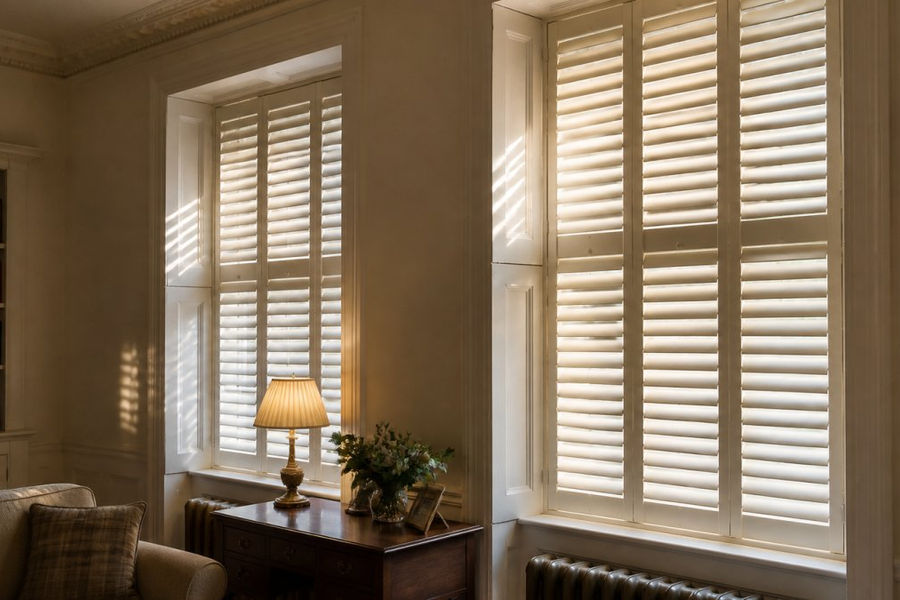
The thermal performance of shutters depends on how well they seal against the window frame. Wooden shutters, the most common choice for period properties, provide moderate insulation. Composite materials offer better thermal resistance. Caledonia Shutters designs made-to-measure shutters that fit snugly to your window dimensions, maximising the insulation effect.
Shutters also give you control over natural light and ventilation. You can adjust them throughout the day to manage solar heat gain. In Glasgow and across Scotland, this flexibility matters; you get warmth when you need it and shade when the sun is strong.
Beyond thermal benefits, shutters reduce draughts around window frames. Older properties often have gaps where cold air leaks through. Properly fitted shutters seal these gaps and create a barrier against external temperature swings.
Pro Tip The best energy savings come from combining shutters with other measures. Draught-proofing your sash cords, sealing gaps around frames, and ensuring loft insulation are already in place will amplify the impact of shutters for energy efficient homes.
Do Shutters Reduce Heat Loss Through Windows
Yes, shutters reduce heat loss through windows by creating an insulating air gap between the shutter and the glass. The effectiveness depends on the shutter material, how tightly they fit, and how often you close them.
Heat loss through windows happens in three ways: direct conduction through the glass, convection currents along the frame, and radiation. Shutters address all three by blocking direct contact between cold glass and warm room air. The stationary air trapped between the shutter and window acts as an insulator.
Traditional wooden shutters reduce heat loss more effectively than curtains because they're rigid and seal more completely. The wood itself has some insulating value, though it's modest. The real benefit is the seal.
For maximum effect, close your shutters at night and on cold, cloudy days. Open them during sunny winter days to let solar heat warm your home naturally. This active management amplifies the energy savings.
Modern composite shutters perform better than wood because they have lower thermal conductivity. Some are manufactured with foam cores that boost insulation further. However, installation quality matters more than material choice; a poorly fitted shutter of any type won't seal properly and will waste the investment.
Key Takeaway Shutters reduce heat loss most effectively when closed at night and during extended periods of cold weather. The tighter the fit to your window frame, the greater the thermal benefit.
Shutters vs Curtains for Insulation: Which Performs Better
Shutters outperform curtains for insulation because they seal more tightly against the window frame and don't allow warm air to circulate behind them.
Curtains hang loosely and allow convection currents. Warm air rises, hits the cold window, cools, and falls back into the room. This cycle continues, carrying heat away from your home. Shutters block this circulation entirely because they're fitted directly to the window recess.
Curtains also have limited contact with the frame. Gaps around the edges let cold air infiltrate. Shutters, when properly installed, sit flush against the sides and top of the window opening, preventing draughts.
The thickness of curtain fabric affects performance. Heavy velvet curtains perform better than light cotton, but even the best curtains can't match a well-fitted wooden shutter. Curtains also trap dust and require regular cleaning, whereas shutters are easier to maintain.
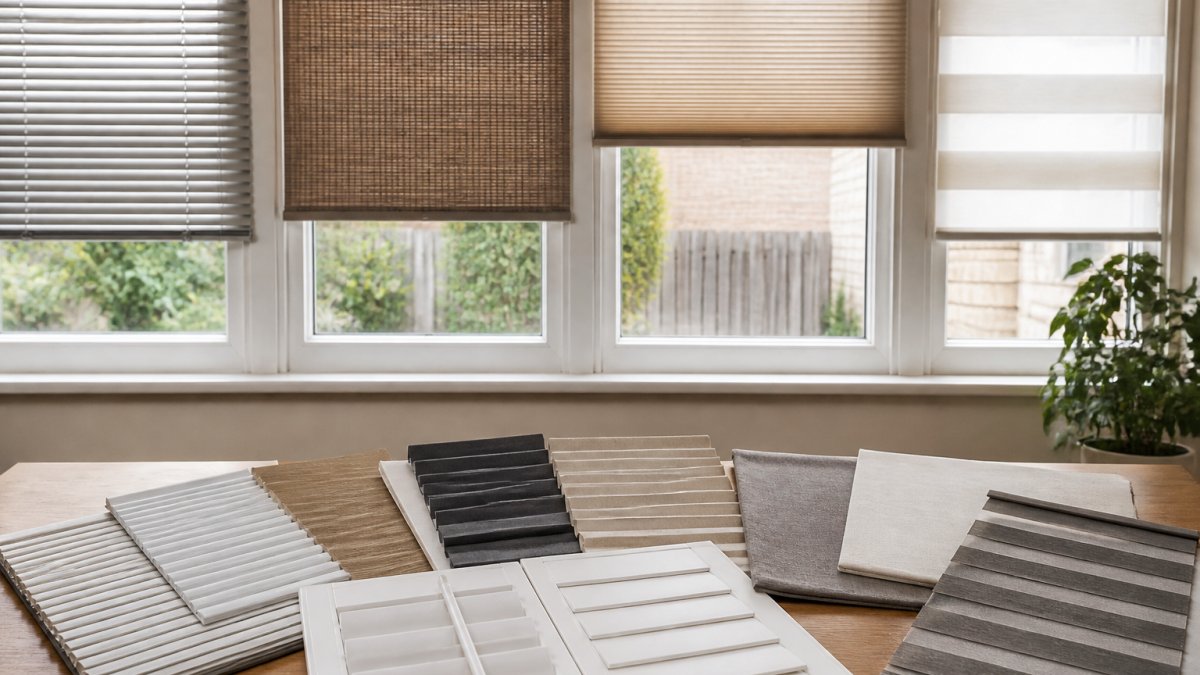
That said, curtains offer advantages shutters don't. They're cheaper to replace, easier to adjust for light control throughout the day, and they work on any window size. Many homeowners use both: shutters for thermal performance at night and curtains for daytime light management.
For energy efficiency specifically, shutters for energy efficient homes are the superior choice. In older Scottish properties with single-glazed windows, the difference is noticeable within the first heating season.
Feature | Shutters | Curtains |
Thermal insulation | Excellent | Good |
Air sealing | Tight fit | Loose fit |
Convection control | Blocks circulation | Allows circulation |
Maintenance | Low | Regular cleaning |
Light control | Excellent | Good |
Cost | Higher initial | Lower initial |
Lifespan | 15-20 years | 5-10 years |
Best Shutters for Energy Efficiency: Types and Materials
Wooden shutters remain the most popular choice for period homes. They're attractive, durable, and provide adequate insulation. Hardwoods like oak and mahogany perform better than softwoods because they have lower thermal conductivity. Painted wooden shutters seal more effectively than stained ones because the paint fills micro-gaps in the grain.
Composite shutters made from engineered materials like PVC and MDF offer superior thermal performance. They don't warp, shrink, or swell with humidity changes, common problems with solid wood in damp Scottish climates. Composite shutters maintain their seal year-round, which means consistent energy savings.
Shutters with foam cores provide the best insulation available. A foam core adds significant thermal resistance compared to solid materials. However, these are less common in period properties because they look bulkier.
For Glasgow and urban Scottish homes, consider louvre shutters (adjustable slats) if you want flexibility. You can angle the louvres to control light and heat gain throughout the day. Solid panel shutters block more light completely, which is better for bedrooms.
The thickness of your shutters matters. Thicker shutters provide better insulation. Most quality shutters range from approximately 30mm to 50mm thick. Anything thinner than 25mm won't deliver meaningful thermal benefit.
Caledonia Shutters manufactures made-to-measure options in both wood and composite materials. Our in-house design process ensures shutters fit your exact window dimensions, eliminating gaps that waste energy. We can advise on the best material for your property type and climate zone.
Watch Out Cheap shutters often have poor seals and won't deliver the energy savings you expect. The initial cost difference between budget and quality shutters is small compared to the heating costs you'll save over 15 years.
How to Reduce Heat Loss Through Windows With Shutters
Start by assessing your current windows. Single-glazed windows lose far more heat than double-glazed ones. Shutters help both, but they're most cost-effective on single-glazed windows where the energy loss is greatest.
Measure your windows carefully. Shutters must fit snugly to work properly. Even a small gap reduces effectiveness significantly. Professional measurement is worth the investment; Caledonia Shutters offers free measurement visits across Scotland, including remote areas.
Choose your shutter style based on your window type. Sash windows in older Scottish properties often benefit from frame-mounted shutters that sit inside the window recess. Casement windows work well with shutters mounted to the wall beside the frame.
Install weatherstripping around the shutter edges. This seals minor gaps and improves the insulation effect. Use silicone-based weatherstripping rather than foam tape; it lasts longer in damp climates.
Consider installing shutters on your most exposed windows first. North-facing windows lose more heat. Windows facing prevailing winds also benefit more from shutters. Prioritising these windows gives you faster payback on your investment.
Set a schedule for closing shutters. The most effective approach is closing them at dusk and opening them at dawn. On very cold days, keep them closed all day. In summer, close them during the hottest parts of the day to block solar heat.
Combine shutters with other measures for maximum impact. Seal gaps around window frames with flexible sealant. Add draught strips to sash cords. Improve loft insulation. These steps work together to reduce your overall heat loss.
Installing Shutters: What to Expect
Professional installation takes one to two days per room depending on the number of windows. Caledonia Shutters handles the entire process: measurement, manufacturing, and fitting, with some of the fastest lead times in Scotland.
The installation begins with accurate measurements. Our team records window dimensions, frame depth, and any architectural features that affect fit. We photograph your windows to ensure our manufacturing team captures every detail.
Manufacturing happens in-house, which is why we deliver faster than many competitors. Custom shutters are built to your exact specifications rather than adapted from stock sizes. This precision fit eliminates gaps that reduce energy performance.
Installation day involves removing any existing window treatments, fitting the shutter frames, and hanging the panels. Our teams work efficiently to minimise disruption to your home. Most installations are completed without damage to your walls or window frames.
After installation, we adjust shutters to ensure smooth operation and proper closure. Hinges are checked for alignment. We demonstrate how to operate your shutters and explain maintenance requirements.
The entire process from initial contact to completed installation typically takes 3-4 weeks. This is considerably faster than the 8-10 week timelines some companies quote. Our simplified process and in-house teams make this speed possible.
Pro Tip If you have unusual window shapes or period features, mention this during your initial conversation. Our teams have extensive experience fitting shutters to Victorian terraces, Georgian sash windows, and modern extensions. Awkward dimensions rarely cause delays because we custom-manufacture every panel.
Maintaining Your Shutters for Long-Term Performance
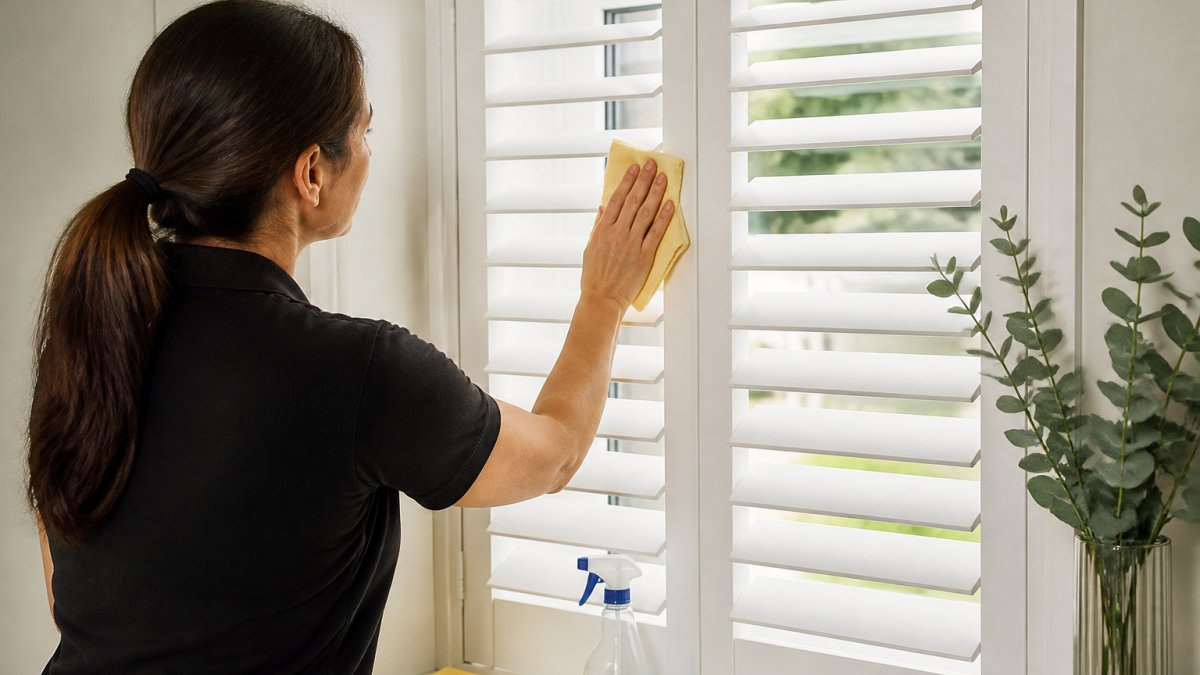
Wooden shutters need regular care to maintain their thermal performance and appearance. Dust them monthly with a soft cloth. Wipe them with a damp cloth every few months to remove accumulated grime. Avoid harsh chemicals that can damage the finish.
Check the seal between shutters and the window frame annually. If gaps appear, apply flexible sealant to restore the seal. This is a simple task that takes 10 minutes per window.
Inspect hinges and hardware twice a year. Tighten any loose screws. Lubricate hinges with a light machine oil if they become stiff. Proper maintenance prevents shutters from warping or sticking.
For composite shutters, maintenance is simpler. They don't require painting or staining. Dust and wipe them occasionally. Hinges still need checking, but composite materials are more stable and less prone to warping.
Repaint wooden shutters every 5-7 years. Fresh paint protects the wood and restores the seal against the window frame. This is the most important maintenance task for wooden shutters in damp Scottish climates.
If shutters become damaged, individual panels can usually be replaced without replacing the entire installation. Caledonia Shutters can supply replacement panels and handle installation. This extends the lifespan of your investment.
Proper maintenance ensures your shutters for energy efficient homes continue delivering thermal benefits for 15-20 years or longer. The small effort required pays dividends in reduced heating costs and improved comfort.
Older properties across Scotland lose significant heat through windows, and heating costs continue rising. Shutters for energy efficient homes address this problem directly by creating an insulating barrier that reduces heat loss year-round. Caledonia Shutters manufactures made-to-measure shutters that fit your exact window dimensions, eliminating gaps that waste energy. Our in-house design and installation process means faster delivery and consistent quality whether you're in Glasgow, the Highlands, or the Islands.
Frequently Asked Questions
Do shutters actually reduce heat loss through windows?
Yes. Shutters create an insulating air layer between the shutter and window glass, slowing heat transfer. Closed shutters at night trap warm air inside; closed during the day they block solar heat gain in summer. The thicker the shutter material and the better the seal around edges, the more effective the insulation. Internal shutters are particularly effective because they work with your existing window rather than replacing it.
Are shutters more energy efficient than curtains for insulation?
Shutters outperform curtains for insulation. Shutters have rigid frames and solid panels that create a sealed air gap, while curtains allow air circulation around their edges. Shutters also last longer and require less maintenance. However, curtains are less expensive upfront. For maximum energy efficiency, shutters are the better investment, especially in older homes with draughty windows where air sealing matters most.
Which type of shutters is best for reducing energy bills?
Solid panel shutters with minimal gaps perform best for energy savings. Hardwood shutters offer excellent insulation and durability; composite materials provide good performance at a lower cost. The fit matters as much as the material, custom-made shutters that seal tightly around your window frame reduce heat loss far more effectively than off-the-shelf options. Closing shutters consistently at night and during summer heat is essential to realise the energy benefits.
Are shutters suitable for older homes with draughty windows?
Shutters are ideal for period properties. They don't require window replacement and work with existing frames of any shape or size, including sash windows and irregular openings. By sealing the window opening with a fitted shutter panel, you reduce draughts and heat loss without altering the property's character. Many older homes in Scotland benefit significantly from shutters because they improve comfort whilst preserving original features.
Book Now!

Comments